Light Up Your Brand: Candles That People Remember
Crafting an Identity That Smells Like You
Scent Storytelling and Collection Architecture
Narratives That Evoke Memories
Borrow sensory cues from travel, kitchens, gardens, and childhood rituals. Write micro‑stories for each scent, centering human moments, not adjectives. Anchor notes in context—fresh sheets, cedar porches, city rain—then validate with real customers describing images they actually pictured while smelling.
Collection Tiers and Pricing Logic
Design clear steps: sample tealights, everyday tins, statement glass, and limited artist collaborations. Price ladders should reward loyalty without punishing first purchases. Keep SKUs modular so retailers can reorder intelligently, and your studio can forecast wax, wicks, and lids predictably.
Seasonal Drops Without Fatigue
Plan limited releases around genuine moments, not random months. Use preorders to gauge demand, tease with behind‑the‑scenes wax pulls, and commit to quantities. Retire respectfully, archive stories, and invite votes for revivals, protecting focus while keeping collectors delighted and vocal.

Packaging That Protects, Delights, and Converts
Vessels That Earn Counter Space
Match wax type and fragrance load to vessel thickness and shape, then check flame behavior and label temperature limits. Choose silhouettes customers proudly display, including refill‑friendly options. Photograph against real homes, not studios, to communicate lifestyle fit instantly across marketplaces and catalogs.
Unboxing That Feels Like a Ritual
Sequence touchpoints: an aromatic puff, a reveal of texture, a handwritten note, then a gentle safety card. Use tissue patterns or belly bands to cue brand cues without excess. Film prototypes on phones to validate suspense, accessibility, and ease of recycling.
Refills, Reuse, and Return Loops
Design refill pouches with spout compatibility, offer wick‑setting guides, and incentivize jar returns at markets. Share cleaning instructions printed inside lids. Closed‑loop options build loyalty, reduce costs, and give retailers a compelling story that pairs ethics with measurable operational savings.
Label Design That Works in Hand and On Screen
Hierarchy and Microcopy That Guide
Materials and Finishes With Purpose
Accessible, Compliant, and Honest
Sustainable Choices With Real Numbers

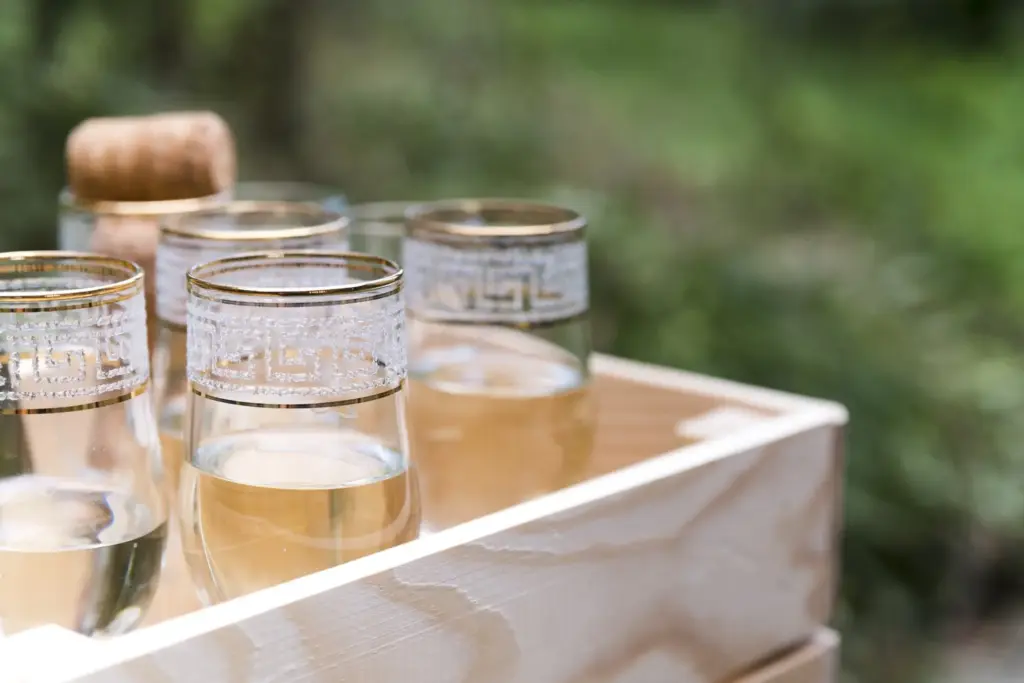
Photos That Convey Heat Without Flames

Booth and Shelf Stories
Lifecycle, Retention, and Community Building
From First Burn to Lifelong Fan
UGC and Reviews That Smell Authentic
Email and QR Journeys That Educate

All Rights Reserved.